
Product Overview
- Your digital files are available for immediate download after checkout. Each file may be downloaded up to two (2) times using the link provided in your order confirmation. We strongly recommend saving your files to your device and creating a backup copy for future access. Lost files or files that are no longer available for download must be repurchased.
- We offer our digital downloadable materials under two license options:
- an Individual License for individual homeschoolers, and
- Extended License for schools, school districts, co-ops, and multi-family homeschool groups.
- School Districts must purchase the extended license option.
Choosing the correct license helps us keep pricing affordable while also preventing copyright misunderstandings.
Montessori Phonemic Awareness, Beginning Sounds, and Final Sounds for Ages 3–6
Your child can recognize a picture and name the object. But can they hear the very first and very last sounds in the word?
Before children begin reading and spelling words independently, they need to recognize that spoken words are made up of individual sounds.
One of the important steps in this process is learning to identify the sounds heard at the beginning and end of a word.
The ETC Montessori Science of Reading: Initial and Ending Sound Recognition activity provides a hands-on, picture-supported way for children to develop this understanding.
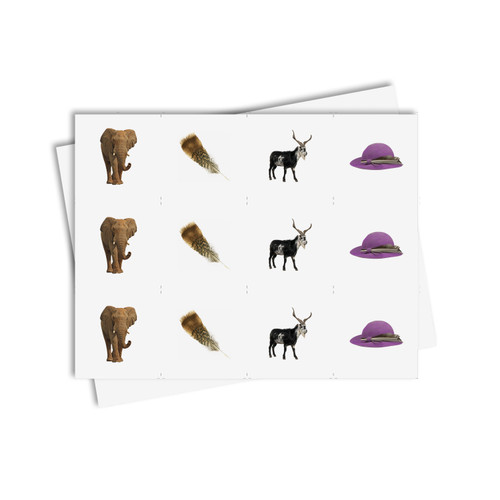
Designed for Montessori Early Childhood students, kindergarten learners, and children developing foundational literacy skills, this digital printable resource includes 18 picture cards and movable lowercase letter pieces.
Children name each picture, listen carefully to the spoken word, identify its beginning and ending sounds, and select the letters that represent those sounds.
This activity connects careful listening with letter-sound knowledge, helping children develop the foundational skills needed for later word building, decoding, and spelling.
What Is Initial and Ending Sound Recognition?
Initial and ending sound recognition is the ability to identify the first and last phonemes, or individual speech sounds, in a spoken word.
For example, consider the word sun.
The first sound is /s/, and the final sound is /n/.
A child who can identify these sounds is beginning to recognize that a word contains smaller units of sound arranged in a particular order.
Now consider the word pig.
Its initial sound is /p/, and its final sound is /g/.
By comparing different words, children discover that the same sounds may appear in different words and that each sound contributes to the word's pronunciation.
This awareness provides an important foundation for learning how speech sounds connect with written language.
What Is Included in the Printable Material?
This seven-page digital PDF contains:
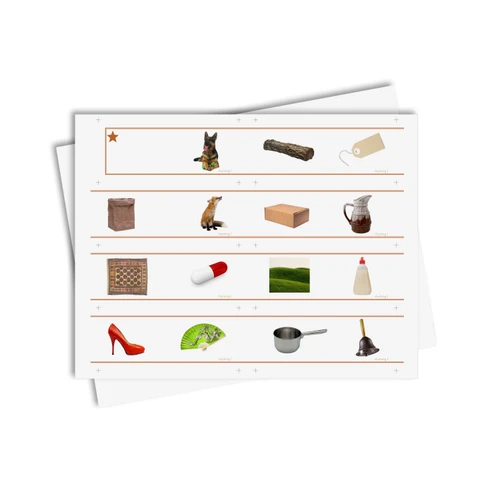
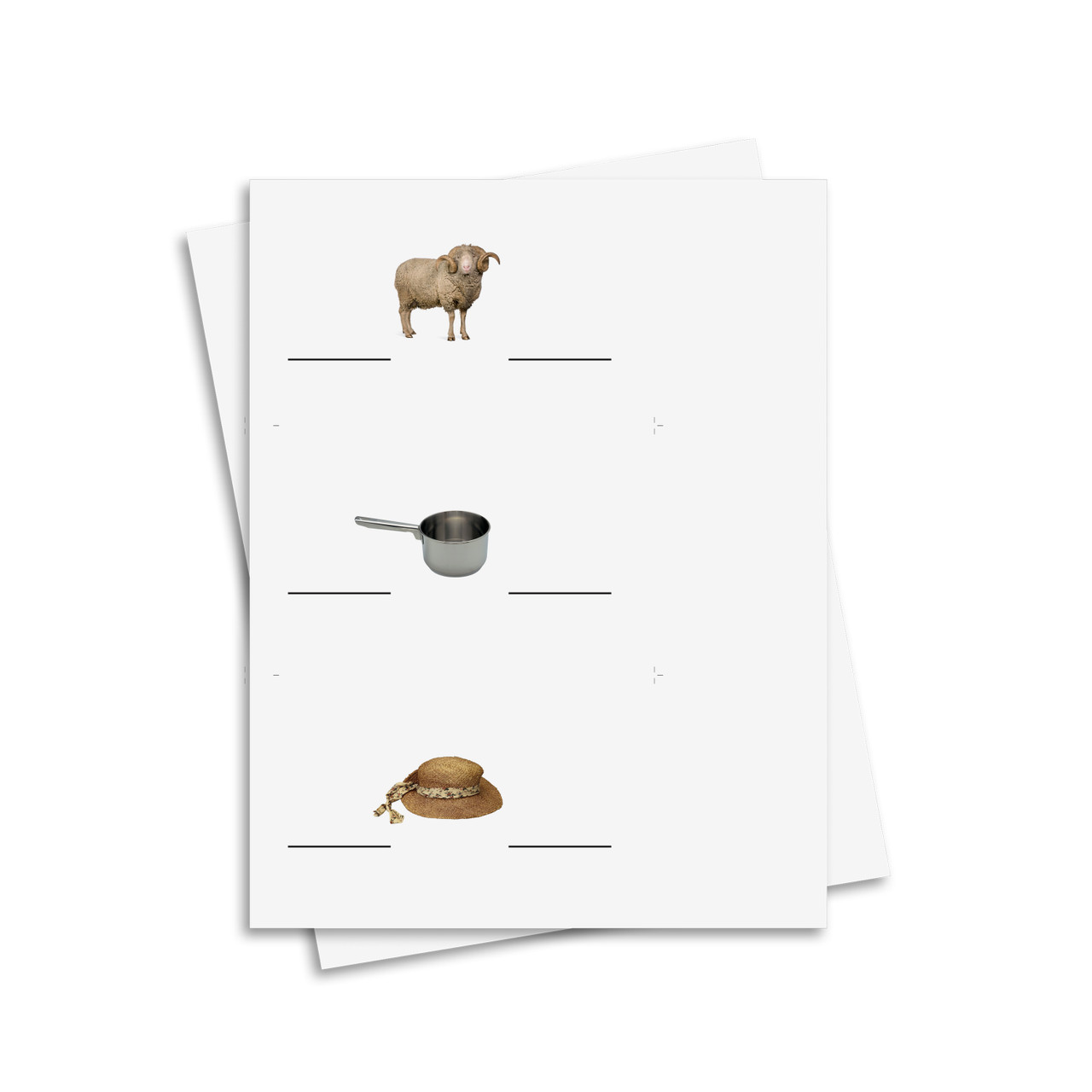
18 Illustrated Picture Cards
The material includes pictures representing familiar animals, objects, and everyday concepts.
Examples include a ram, hat, fan, pig, sun, and zipper.
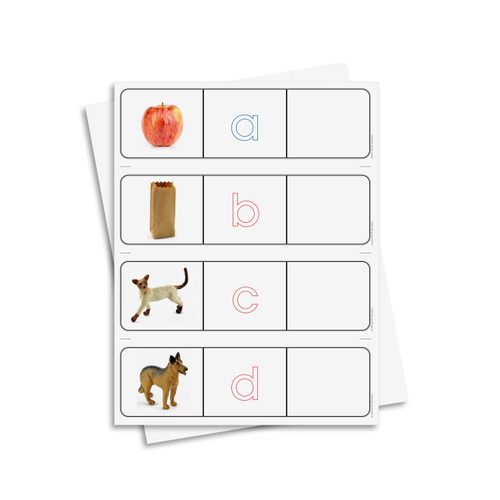
Each picture card provides two spaces: one to the left of the image and another to the right.
These spaces allow children to identify and place the letters corresponding to the beginning and ending sounds of the intended word.
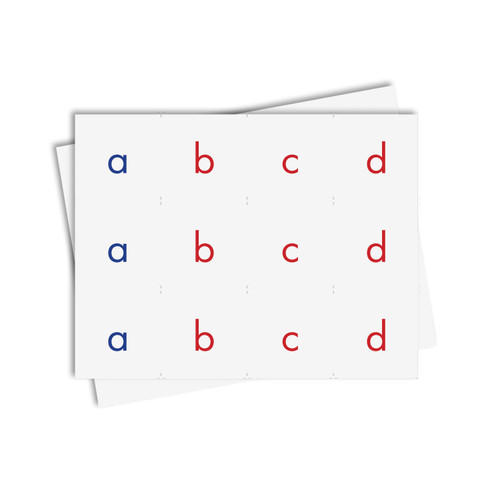
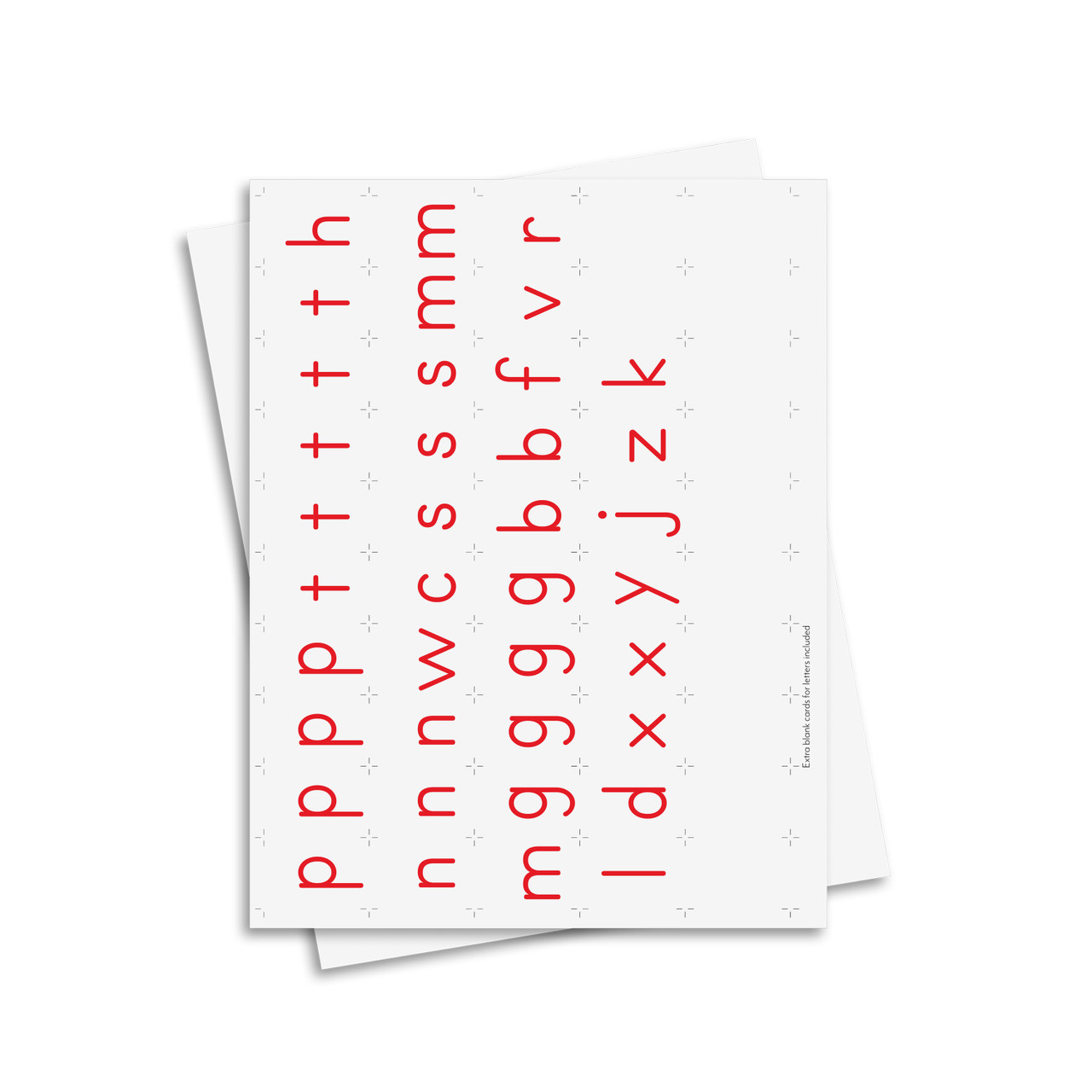
Printable Lowercase Letter Pieces
A separate page includes lowercase consonant letters for preparing the matching activity.
The source file also notes the inclusion of additional blank letter cards.
These movable letters allow children to connect the sounds they hear with their written representations.
The activity uses pictures rather than complete printed words, helping children concentrate on the beginning and ending sounds instead of attempting to read or memorize an entire word.
How Does the Initial and Ending Sound Recognition Activity Work?
The material follows a simple learning sequence that supports listening, observation, and purposeful manipulation.
Step 1: Introduce the Picture
The guide or parent presents a picture and clearly identifies the intended word.
For example, the child sees a picture of a sun.
Step 2: Listen to the Spoken Word
The child repeats sun aloud.
The adult encourages careful listening rather than asking the child to identify letters immediately.
Step 3: Identify the Beginning Sound
The child listens for the first phoneme.
What sound do you hear at the beginning of sun?
The child identifies /s/.
Step 4: Identify the Ending Sound
Next, the child listens for the final phoneme.
What sound do you hear at the end of sun?
The child identifies /n/.
Step 5: Match the Sounds With Letters
The child selects the corresponding lowercase letters and places them on the appropriate sides of the picture.
The letter s appears before the picture, and the letter n appears after it.
Step 6: Repeat With Additional Pictures
Children continue with other picture cards, identifying the first and last sounds of each word.
Through repetition, they develop greater confidence recognizing sounds in different positions within spoken language.
How Does This Activity Support the Science of Reading?
Phonemic awareness is the ability to hear, identify, and manipulate individual sounds in spoken words.
It is an important component of foundational literacy instruction because children must become aware of speech sounds before they can reliably connect them with written letters.
Initial and ending sound recognition develops two specific skills:
Initial Phoneme Isolation: Identifying the first sound in a spoken word.
Final Phoneme Isolation: Identifying the last sound in a spoken word.
The ETC Montessori activity extends these oral-language skills by introducing printed letters that represent the identified sounds.
This creates a connection between phonemic awareness and phonics.
Children are not simply learning letter names. They are learning that spoken sounds can be represented by written symbols.
The activity helps develop:
-
Phonemic Awareness: Recognizing individual sounds within spoken words.
-
Auditory Discrimination: Listening carefully to distinguish sounds.
-
Beginning Sound Identification: Recognizing the first phoneme in a word.
-
Ending Sound Identification: Recognizing the final phoneme in a word.
-
Letter-Sound Correspondence: Connecting identified speech sounds with written letters.
-
Sound Sequencing: Understanding that sounds occur in a particular order.
-
Reading and Spelling Readiness: Preparing for later phoneme blending, segmentation, decoding, and encoding.
These skills provide an important foundation for more advanced reading activities.
Why Is Ending Sound Recognition Important?
Many children first become comfortable identifying the beginning sounds of words.
Recognizing ending sounds can require more focused listening because children must pay attention to the final phoneme rather than concentrating exclusively on how a word begins.
For example, a child may readily recognize the /h/ sound at the beginning of hat but need additional practice identifying the final /t/ sound.
By practicing both sound positions, children develop a more complete awareness of the structure of spoken words.
This prepares them for later activities involving complete phoneme segmentation, sound blending, and word construction.
Why Use This Material in Montessori Education?
Montessori language education emphasizes concrete experiences that gradually lead toward abstract understanding.
Children begin by listening to sounds, identifying familiar objects, and exploring the relationship between spoken and written language.
The Initial and Ending Sound Recognition activity supports this progression through picture cards and movable letters.
The child first identifies the sound through listening, then makes the relationship visible by placing the corresponding letter beside the picture.
The activity encourages concentration, careful observation, purposeful movement, and independent repetition.
It can be introduced through a Montessori individual presentation and later offered as follow-up work on the language shelf.
A Practical Resource for Montessori Teachers and Homeschool Parents
For Montessori teachers, this material provides focused practice following lessons involving oral sound games, beginning sounds, and Sandpaper Letters.
It can be incorporated into individual presentations, small-group lessons, early phonics work, and independent language activities.
For homeschool parents, the picture-supported format offers a straightforward way to help children listen for sounds and connect them with written letters.
Parents can begin by asking children to identify the sounds orally before introducing the movable letter pieces.
For educators supporting developing readers, the activity can provide additional guided practice for children who need reinforcement with initial or final phoneme identification.
Where Does This Activity Fit in the Reading Sequence?
Initial and Ending Sound Recognition is especially appropriate for children who can already identify some beginning sounds and are ready to investigate sounds at both ends of spoken words.
A useful progression is:
Recognize beginning sounds → Identify ending sounds → Match sounds to letters → Segment and blend phonemes → Manipulate sounds to build new words.
This resource supports the transition from basic sound recognition toward more advanced phonemic awareness and phonics activities.
It also provides useful preparation for the ETC Montessori Initial Letter Substitution Kit A and Initial and Ending Letter Substitution Kit B.
RESOURCES
Look at the standards that are addressed with this material.