

Product Overview
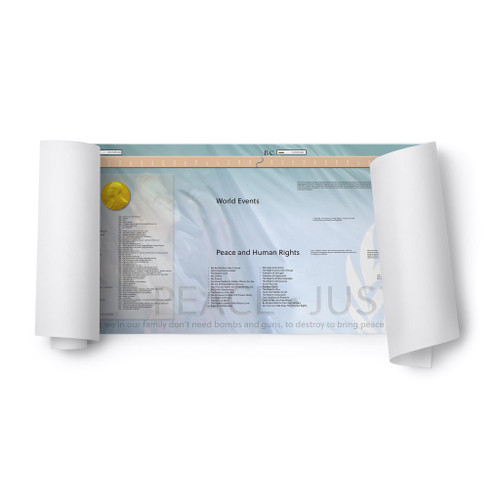
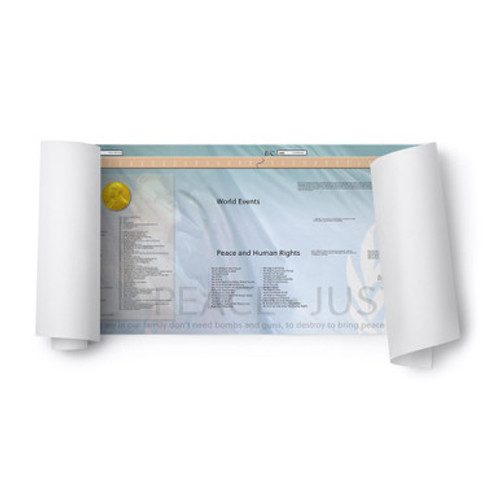
Designed by ETC with the assistance and support of AMI teachers. This timeline is the continuation of the original Timeline of Early Humans (The coming of Humans) and is now available in the U.S.
Help students see how people changed the world long before written history began. Second Timeline of Early Humans is a clear, student-friendly timeline designed for Montessori Grades 4–6 (Upper Elementary) that traces major developments from the late Ice Age through the rise of farming, early towns, and the first steps toward civilization—then continues forward to help children connect those early changes to later human history.
This timeline highlights the big turning points that moved humans from hunter-gatherer life to permanent settlements, including tool improvements, migration patterns, climate challenges, early domestication (such as dogs), early farming in the Fertile Crescent, and the growth of organized towns like Jericho and larger settlements like Çatalhöyük. Students can follow the “story” of humans as problem-solvers—how people adapted when climates changed, how new tools supported survival, and how storing food and working together set the stage for the first cities, writing, and ancient civilizations.
Key features teachers will appreciate
-
Montessori-friendly structure: A visually organized timeline with clear dates and a logical sequence that supports independent work, discussion, and research follow-ups.
-
Bridge to the Timeline of Ancient Civilizations: The timeline intentionally emphasizes agriculture, settlement, and early organization so students are prepared to transition directly into Sumer, Egypt, and the earliest civilizations with real context.
-
Global perspective: Includes human movement and cultural changes across regions (not only one area), helping students compare how different parts of the world responded to similar challenges.
-
Strong interdisciplinary potential: Naturally supports map work (migration routes), biology (domestication and adaptation), math (time spans and scale), and literacy (summaries, compare/contrast writing, research projects).
How it fits the Montessori Upper Elementary classroom
Use it as a whole-class lesson, a small group research launch, or an independent work choice that invites deeper study. It pairs beautifully with mapping, research cards, writing assignments, and classroom discussions on how human needs (food, safety, shelter, cooperation) drive innovation—and why those innovations lead directly into the ancient world.
RESOURCES
Look at our History Flow Chart for Upper Elementary to see how this work fits in with the traditional Montessori history curriculum.
SUGGESTED CONTAINERS
ETC Simple Horizontal Chart Holder - Small for Display Model